
Impressum
Offenlegungspflicht laut § 25 Mediengesetz
ACHTUNG! Das Blog wird seit 2010 unter KOMMPress.at weitergeführt!
Grundlegende Richtung:
Das Weblog "KOMMunity Press & Services - KOMMPress" dient als öffentliche Plattform für alle Studierende und Interessierte am FHWien-Institut für Kommunikationsmanagement der WKW. In Form von journalistischen Beiträgen werden Interviews und Neuigkeiten zu den Studiengängen der WKW veröffentlicht. Die Redaktion bilden Studierende.
Medieninhaber, Herausgeber, Chefredaktion:
Richard Pyrker (rip), Wien
Mitgründer und Kreativleiter:
Karl Schauenstein (moritz)
Strategische Beratung:
Carola Schmid
Chef vom Dienst:
Florian Schleicher (whoelse)
RessortleiterInnen:
(Im Aufbau)
RedakteurInnen:
David Ihl (komm.true)
Jürgen Stolzlechner (komm.unell)
Iris Einwaller (komm.janedoe)
Karin Szerencsits (komm.milkakuh)
Carina Schubert (komm.radieschen)
Franziska Stich (komm.zappeline)
Freie RedakteurInnen:
Florian Ulbing (flow)
Karin Wotruba (wotka)
Anna Kallina & Eva Zanzinger (a&e)
Marlene Buchart
Bettina Wimmer (betty)
Mario Schönhofer (silencio)
Christian Marquart (christian)
Freie FotografInnen:
Stephanie Prochazka (moira)
Raimund Appel (Extern, nicht FHWien-Student)
GastautorInnen:
Projektgruppe „4U“ (Interview mit Seamee.com)
Georg Höfner (Artikel über Horizont Soccer Cup)
Robert Kana (Hintergrundinfos zu „Die-Stämme“)
KOMMPress ist kein offizielles Medium der FHWien, sondern ein Projekt von engagierten Studierenden.
Die Redaktion verschreibt sich dem Ehrenkodex der Österreichischen Presse und behält sich das Recht vor, unverhältnismäßige bzw. ungesetzliche Fremdkommentare zu löschen.
ACHTUNG! Das Blog wird seit 2010 unter KOMMPress.at weitergeführt!
Grundlegende Richtung:
Das Weblog "KOMMunity Press & Services - KOMMPress" dient als öffentliche Plattform für alle Studierende und Interessierte am FHWien-Institut für Kommunikationsmanagement der WKW. In Form von journalistischen Beiträgen werden Interviews und Neuigkeiten zu den Studiengängen der WKW veröffentlicht. Die Redaktion bilden Studierende.
Medieninhaber, Herausgeber, Chefredaktion:
Richard Pyrker (rip), Wien
Mitgründer und Kreativleiter:
Karl Schauenstein (moritz)
Strategische Beratung:
Carola Schmid
Chef vom Dienst:
Florian Schleicher (whoelse)
RessortleiterInnen:
(Im Aufbau)
RedakteurInnen:
David Ihl (komm.true)
Jürgen Stolzlechner (komm.unell)
Iris Einwaller (komm.janedoe)
Karin Szerencsits (komm.milkakuh)
Carina Schubert (komm.radieschen)
Franziska Stich (komm.zappeline)
Freie RedakteurInnen:
Florian Ulbing (flow)
Karin Wotruba (wotka)
Anna Kallina & Eva Zanzinger (a&e)
Marlene Buchart
Bettina Wimmer (betty)
Mario Schönhofer (silencio)
Christian Marquart (christian)
Freie FotografInnen:
Stephanie Prochazka (moira)
Raimund Appel (Extern, nicht FHWien-Student)
GastautorInnen:
Projektgruppe „4U“ (Interview mit Seamee.com)
Georg Höfner (Artikel über Horizont Soccer Cup)
Robert Kana (Hintergrundinfos zu „Die-Stämme“)
KOMMPress ist kein offizielles Medium der FHWien, sondern ein Projekt von engagierten Studierenden.
Die Redaktion verschreibt sich dem Ehrenkodex der Österreichischen Presse und behält sich das Recht vor, unverhältnismäßige bzw. ungesetzliche Fremdkommentare zu löschen.
Beitrag Online gestellt von komm.rip am 6. November, 09:00

 »» Fotos von Eventfotograf Ray
 An diesem letzten Freitag des Sommersemesters, westlich der Urania-Klippen am Donaukanal tummelten sich gesamt 29 Matrosinnen und Matrosen mit ihren 2.000 Passagieren. Früh nachmittags wurden die Decks für die erwarteten Besucherhorden auf Vordermann gebracht, es mussten Piratenflaggen montiert, der KOMMPress-Terminal mit dem
  Währenddessen strömten die ersten Gäste zum VIP Empfang, um der Rede von FHW GmbH Geschäftsführer Mag. (FH) Michael Heritsch und den Vorstandsmitgliedern des Absolventenvereins Alumni&Co unter der Moderation von Norbert Oberhauser zu lauschen bzw. zu netzwerken und eifrig die Kombüse zu leeren.
 Letzteres bereits recht schleppend, denn das Barpersonal des Badeschiffs war ob der studentischen Massen der FHWien-Studiengänge der WKW etwas unterbesetzt.
 »» zum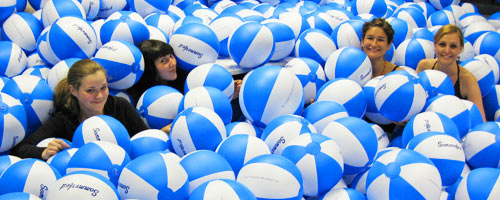
 der
der 

 ...Wir bekämpfen unseren Kater am nächsten Tag gleich um 14:00 beim